Introduction
Welcome to the world of Reiki, where ancient recovery techniques meet modern-day spiritual practices. In this post, we will explore the transformative power of Reiki and how it can balance your inner energy. Whether you are brand-new to Reiki or have actually been practicing for several years, this guide will supply valuable insights, strategies, and information to enhance your understanding and experience.
Harmonizing Your Inner Energy: Discovering the Transformative Power of Reiki
Reiki is a Japanese recovery technique that promotes relaxation, stress reduction, and total wellness. It is based upon the principle that energy streams through our bodies, and when this energy is obstructed or imbalanced, it can cause physical, psychological, and psychological health issues. By using specific hand positions and signs, Reiki professionals direct universal life force energy into their clients or themselves to restore balance and promote healing.
The History of Reiki
Before delving into the useful elements of Reiki, it is necessary to comprehend its history. Developed by Mikao Usui in Japan in the early 20th century, Reiki was initially planned as a spiritual practice for individual development and enlightenment. Nevertheless, Usui soon found its extensive healing capabilities and began teaching others.
The 3 Pillars of Reiki
Reiki is built on 3 fundamental pillars: Gassho meditation, Byosen scanning, and Kenyoku Ho. These pillars form the basis for understanding and practicing Reiki effectively.
Gassho Meditation: Gassho meditation is a basic element of Reiki practice. It includes bringing your hands together in prayer position and concentrating on your breath. This basic yet effective technique assists soothe the mind, open your energetic channels, and link you with the universal life force energy.
Byosen Scanning: Byosen scanning is a method utilized to identify imbalances or blockages in the energy field. Byosen indicates "collected negativeness," and scanning enables professionals to recognize locations of the body that need healing. This approach involves sweeping your turn over the body, feeling for variations in temperature level or energy flow.
Kenyoku Ho: Kenyoku Ho, also known as dry bathing, is a cleansing ritual in Reiki practice. It involves using specific hand movements to release stagnant energy and clean your energetic field. Kenyoku Ho can be performed before and after each Reiki session to improve the flow of energy and eliminate any residual negativity.
Reiki Hand Positions: Channeling Energy with Intention
One of the crucial elements of Reiki practice is making use of particular hand positions to direct energy into the body. These hand positions represent different areas of the body and chakras, allowing professionals to direct healing energy where it is needed most.
Crown Chakra: Place your hands on top of your head, fingers pointing upwards towards the sky. This position helps balance and align your spiritual connection.
Third Eye Chakra: Position your hands carefully above your forehead, thumbs touching at the center. This hand position promotes clarity, intuition, and insight.
Throat Chakra: Rest your hands lightly on your throat, fingers pointed downwards towards your chest. This position supports clear interaction and self-expression.
Heart Chakra: Position your hands on your chest, one above the other, covering your heart area. This position promotes love, compassion, and psychological healing.
Solar Plexus Chakra: Position your hands just above your stomach location, with palms facing downwards. This hand position boosts personal power, self-confidence, and emotional stability.
Sacral Chakra: Rest your hands simply below your navel location, with fingers touching each other. This position promotes creativity, sexuality, and psychological balance.
Root Chakra: Place your hands on your lower abdomen, fingers pointing downwards. This hand position connects you with grounding energy and stability.
These are just a few examples of the lots of hand positions utilized in Reiki practice. Each position corresponds to a specific chakra or area of the body and can be customized or combined according to individual needs.
Reiki Symbols: Opening the Power Within
Reiki signs are sacred symbols that hold specific significances and energies. They are utilized by Reiki practitioners to improve their healing capabilities and get in touch with higher levels of consciousness. There are three primary signs in conventional Usui Reiki:
Cho Ku Rei: Likewise referred to as the power symbol, Cho Ku Rei is utilized to enhance the recovery energy and secure the professional or recipient. It is frequently drawn or imagined before beginning a Reiki session.
Advanced Reiki SymbolsSei He Ki: The mental/emotional sign, Sei He Ki helps recover psychological injury, release negative ideas or patterns, and bring balance to the mind. It is frequently utilized during Reiki sessions concentrated on emotional healing.
Hon Sha Ze Sho Nen: The distance symbol, Hon Sha Ze Sho Nen allows Reiki practitioners to send healing energy across time and area. It is frequently utilized for far-off healing sessions or sending recovery intents to past occasions or future situations.
Reiki Levels: Expanding Your Practice
Reiki practice is divided into different levels or degrees, each building upon the previous one and expanding professionals' abilities and understanding of energy healing.
Reiki Level 1: The first level concentrates on self-healing and learning the standard hand positions and methods. It introduces practitioners to the principles of Reiki and lays the structure for further growth.
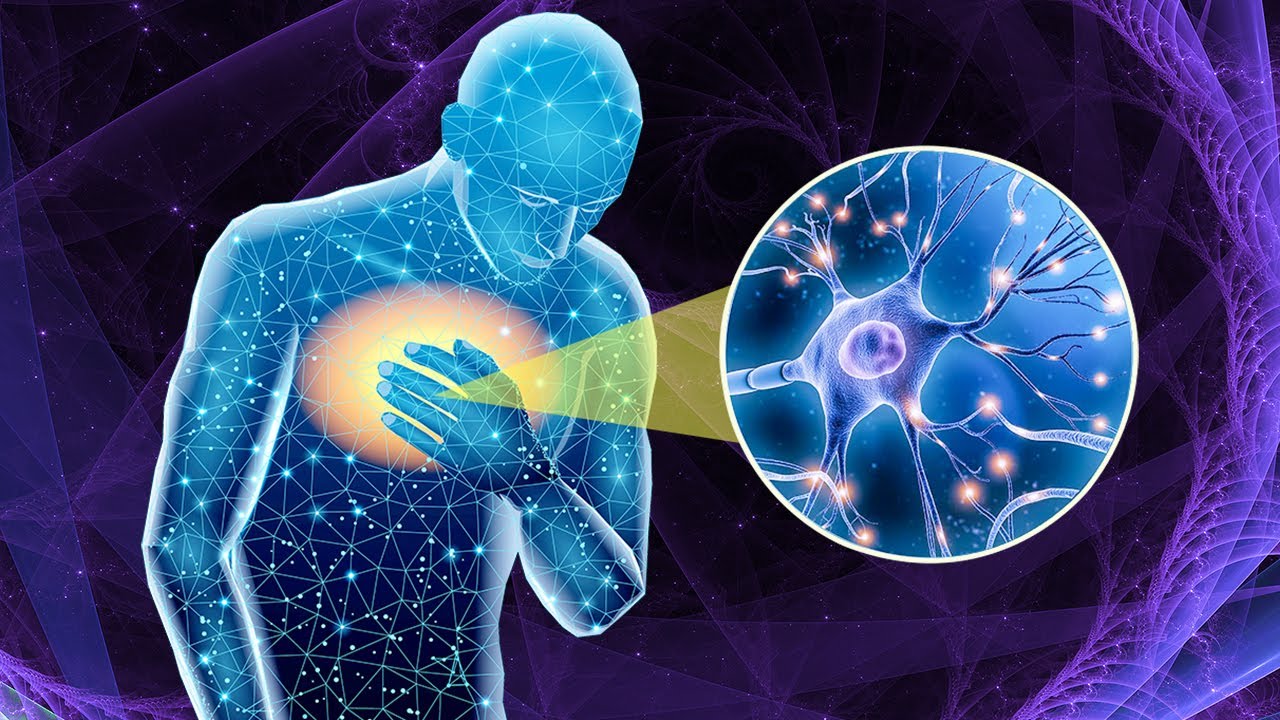
Reiki Level 2: At this level, specialists learn about the Reiki signs and how to use them in their practice. They likewise acquire the ability to perform remote healing and deal with specific emotional or mental issues.
Reiki Master Level: The master level is the highest level of Reiki practice and permits practitioners to teach and attune others to Reiki energy. It deepens their understanding of the symbols, strategies, and spiritual aspects of Reiki.

Energy Recovery: Checking Out the Science behind Reiki
While Reiki is frequently thought about a spiritual or alternative recovery technique, there is growing scientific evidence supporting its efficiency. Research study has revealed that Reiki can reduce stress, stress and anxiety, and discomfort, enhance sleep quality, improve immune function, and promote total wellness.
The exact systems behind Reiki's healing effects are still not totally understood. Nevertheless, some theories suggest that it works by stabilizing the body's energy field, promoting relaxation and self-healing mechanisms, and Mastering Sei Hei Ki causing a state of deep relaxation that permits the body to heal itself.
Energy Work: Incorporating Reiki with Other Modalities
Reiki can be quickly integrated with other recovery methods to improve their results and provide a holistic method to well-being. Some popular methods that work well with Reiki consist of:
Massage Therapy: Integrating Reiki with massage therapy enhances the relaxation and healing benefits of both practices. The hands-on touch of massage combined with the energetic healing of Reiki develops a powerful synergy.
Acupuncture: Acupuncture and Reiki enhance each other by dealing with both physical and energetic imbalances in the body. Acupuncture needles can help launch obstructions in the energy field, while Reiki improves the circulation of energy throughout the body.
Yoga: Practicing yoga along with Reiki can deepen your connection with your body, breath, and energy circulation. Yoga postures (asanas) can open up blocked energy channels, enabling a smoother circulation of Reiki energy.
FAQs about Reiki
What is the history of Reiki? Reiki was established by Mikao Usui in Japan in the early 20th century as a spiritual practice for individual development and enlightenment. It later on progressed into a recovery technique known for its transformative power.
How does Reiki work? Reiki works by channeling universal life force energy through the professional's hands into the recipient's body. This energy promotes relaxation, stress decrease, and healing on physical, emotional, and psychological levels.
Are there any adverse effects or contraindications for Reiki? Reiki is generally safe and mild, with no recognized adverse effects. Nevertheless, it is recommended to speak with a healthcare expert if you have any particular health concerns or conditions.
Can I find out Reiki and practice it on myself? Yes, anyone can find out Reiki and practice it on themselves for self-healing and personal development. Participating in a Reiki training course or receiving attunements from a qualified Reiki Master is suggested to ensure appropriate knowledge and practice.

How long does it take to end up being a Reiki Master? The time it takes to become a Reiki Master differs depending on specific commitment and practice. Usually, it includes finishing numerous levels of training and getting practical experience before reaching the master level.
Can I combine Reiki with other recovery modalities? Yes, Reiki can be easily incorporated with other healing modalities such as massage therapy, acupuncture, yoga, and more. Integrating different methods can improve their impacts and provide a holistic method to well-being.
Conclusion
Reiki uses a powerful tool for balancing your inner energy and promoting total wellness. Whether you are brand-new to energy recovery or already a knowledgeable specialist, exploring the transformative power of Reiki can deepen your connection with yourself and the world around you. By understanding the history, methods, and advantages of Reiki, you can start a journey of self-discovery and recovery that will certainly boost your life. So why wait? Start utilizing the transformative power of Reiki today and experience the extensive modifications it can give your inner energy.